5 min
Los Olvidados
被遗忘的人们
1950
Luis Buñuel
Mexico · Crime / Drama · 88 min
In a Mexico City slum, two street boys are pushed by fate toward the same street. Buñuel presses a surrealist's eye into the rawest street reality and films the people a city refuses to look at; Best Director at Cannes 1951, later inscribed in UNESCO's Memory of the World register.
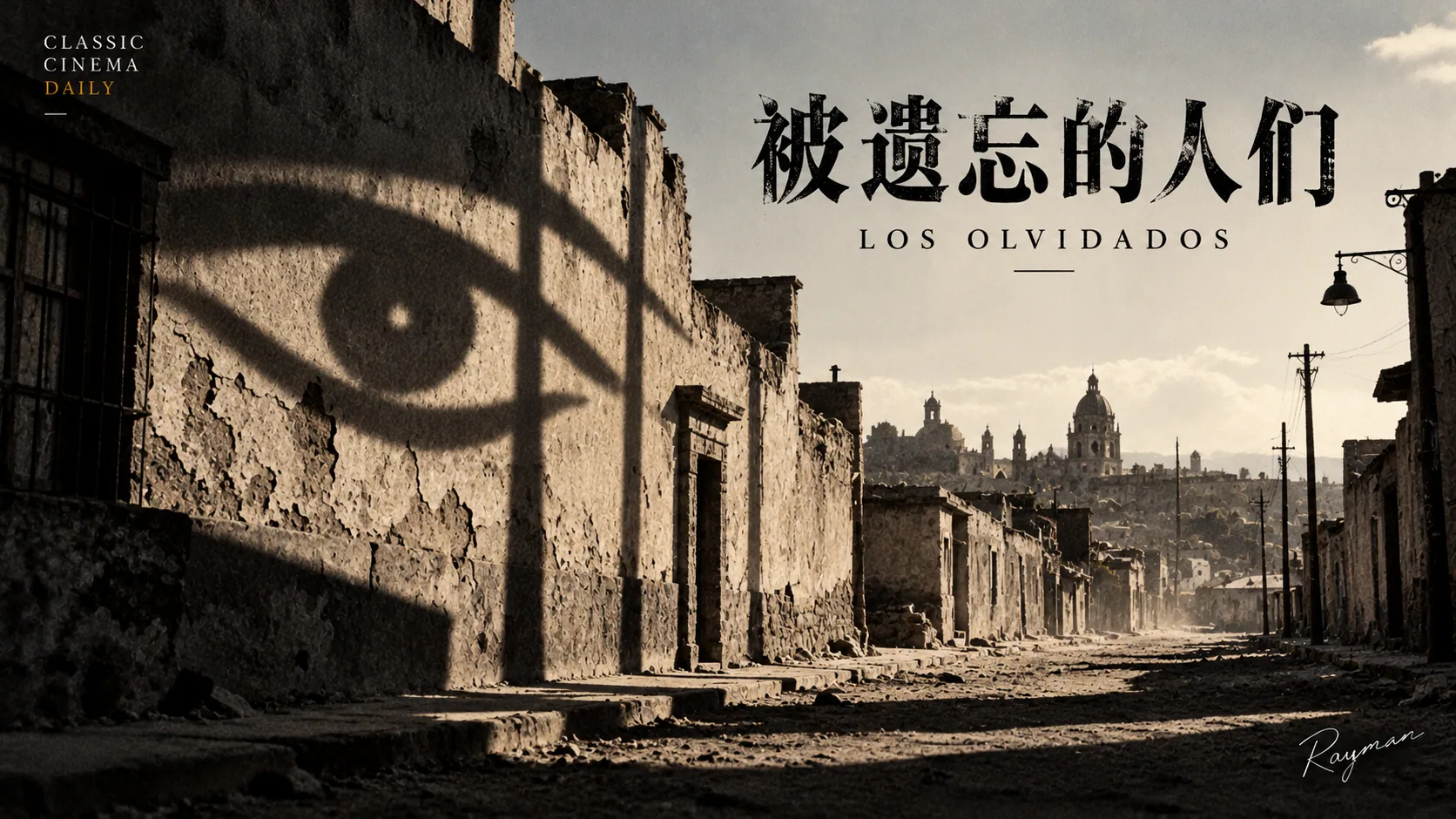
01Why this film today
October is half over. Today is 13 October, ten days before Frost Descent (霜降), and the nights have grown long enough for a black-and-white film of eighty-some minutes.
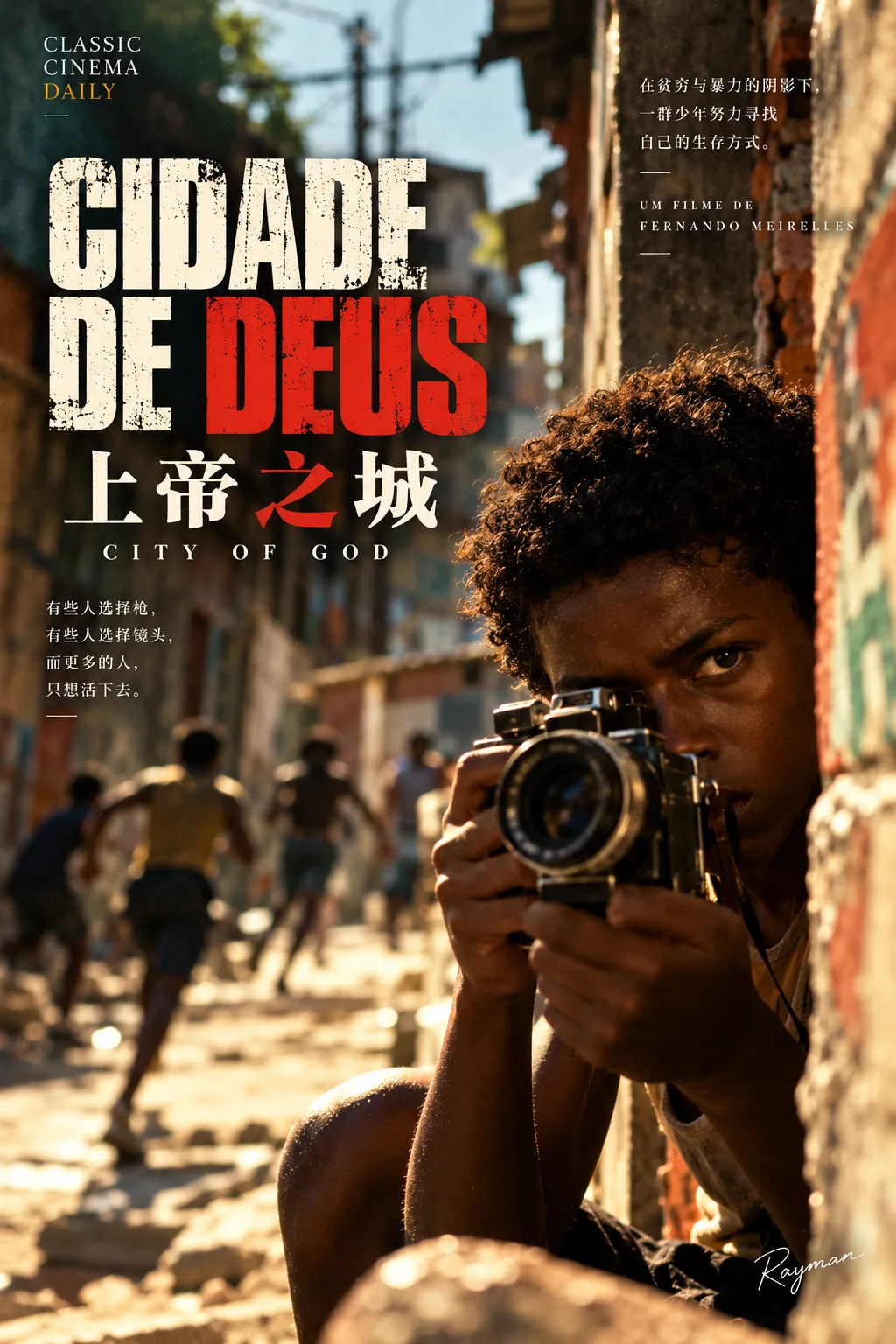
The first reason is internal to this archive: Latin America had been represented by a single Brazilian film, City of God (2002), and Mexico was a blank. Los Olvidados fills that blank — it comes from the most important period in Mexican cinema, and it is the sharpest film of that period.
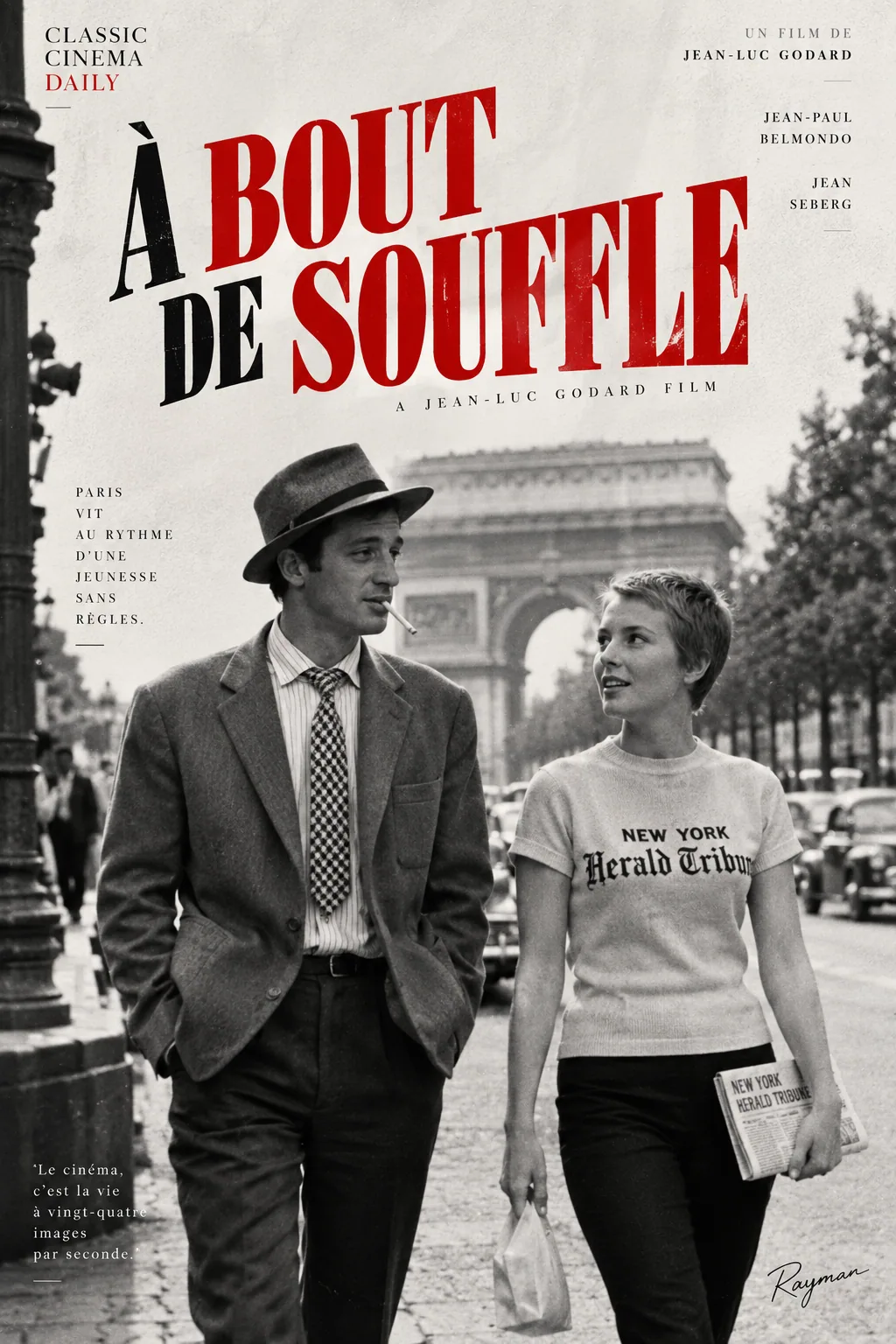
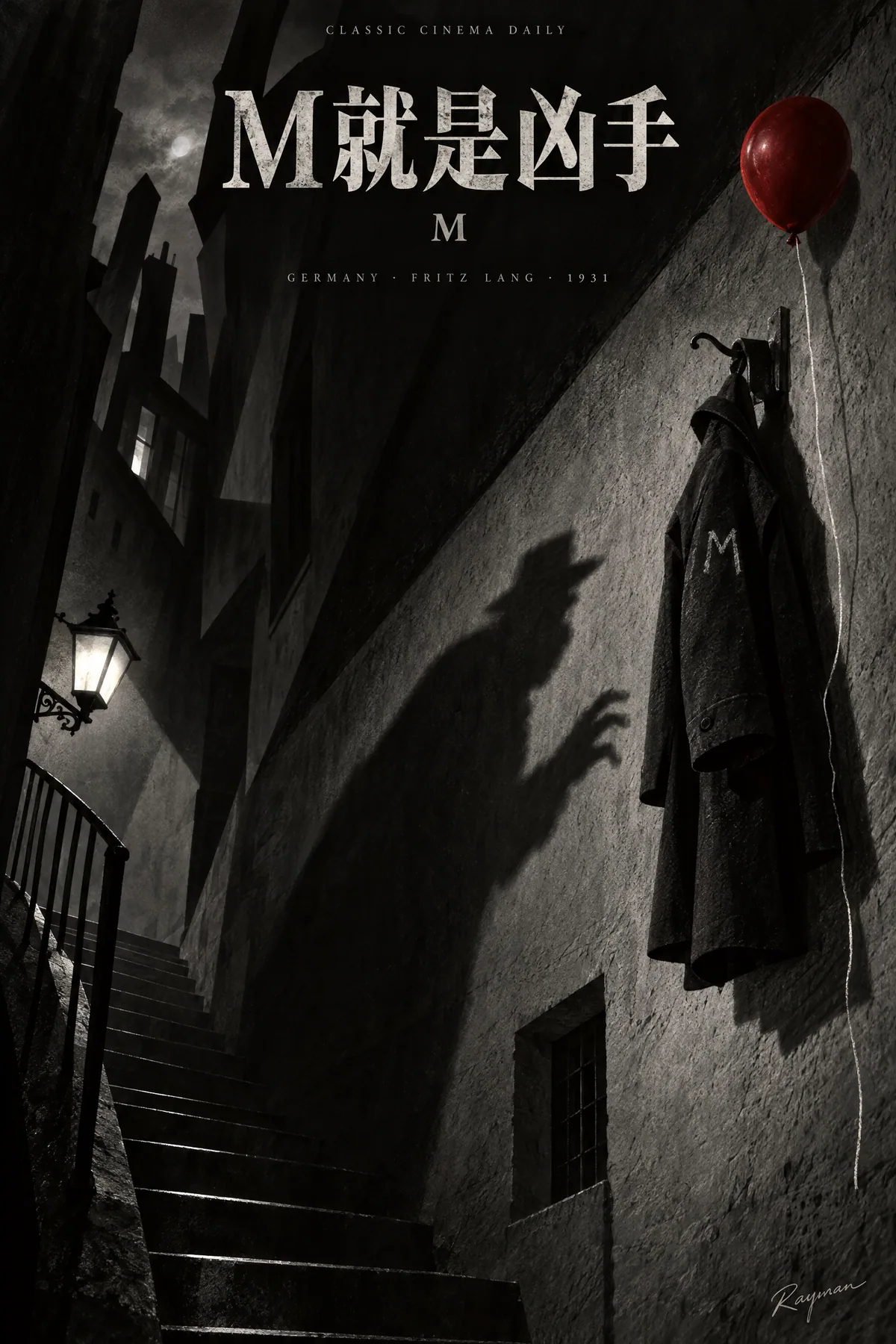
The second reason is its title: los olividos means the forgotten ones. It is not the story of a criminal but of a city that keeps part of its living population outside its field of vision. It forms a perfect diptych with the archive's M (1931) — a city panicked by one murderer, and a city that forgets a whole class of people, are two faces of the same thing.
A younger Latin American film waits tonight: no one there is forgotten — there is only a pool of murky water no one will jump into first.
02Film details
- Chinese title
- 被遗忘的人们
- English title
- Los Olvidados
- Director
- Luis Buñuel / 路易斯·布努埃尔
- Year
- 1950
- Country
- Mexico / 墨西哥
- Language
- Spanish
- Genre
- Crime / Drama / 犯罪 / 剧情
- Runtime
- 88 min
03About the film
1950 年,墨西哥城。一条没有名字的街,几间铁皮顶的房子,一群没有学上的少年。
刚从感化院逃出来的 Jaibo 回到街头,重新当上少年们的头。谁交不出「供品」,就会在夜里被堵在墙角。以卖艺为生的盲人 Don Carmelo 被抢走了全部收入;一对刚取了钱的夫妇在街角被石头放倒;Jaibo 还把 Pedro——一个崇拜他、也想成为他的小个子——拖进了这一切。
Pedro 的另一半生活是母亲:她在别人家的厨房里打零工,对儿子的爱早就被日子磨成了不耐烦。一次机会让 Pedro 被送进城外的感化院,那里的老师说:这些孩子缺的不是自由,是管束。
影片不打算宽恕谁,也不打算解释谁。
(这里不再往下说。)
04Why it is a classic
A surrealist in the street
Los Olvidados premiered in Mexico in November 1950. 88 minutes, black and white, Spanish, produced by Ultramar Films. Directed by Luis Buñuel, more than a decade into his exile from his own continent, living in Mexico City and filming the street outside his window.
The standard-bearer of Surrealism who made Un Chien Andalou (1929) did not deliver spectacle in exile but reality. He kept the surrealist method and simply stopped using it to produce dreams, letting dreams seep through the cracks of reality instead: Pedro's dreams arrive without warning, like flickers in the surface of the real.
Cannes 1951: Best Director
In 1951 the film won Buñuel the Best Director award at the Cannes Film Festival, and the consensus around it was sealed: not a Mexican social-problem picture but an event in world cinema. Ten years later his Viridiana (1961) took the Palme d'Or.
A film that refuses pity
It never turns poverty into spectacle, nor its boys into angels. Both leads carry their own cruelty: Jaibo's violence is a weapon, and Pedro's weakness is a blade too. It records a fact as solid as a city wall, and mounts not one cheap accusation.
Violence in a long shot
The film's most famous killing is not played in close-up: the camera does not approach the face; it withdraws, far enough to make the crime look like something seen from another dream. Buñuel refuses to let an audience consume violence at close range — the exact opposite of every film that later turned murder into a set piece.
Remembered by UNESCO
The film is inscribed in UNESCO's Memory of the World register — not as a good film, but as a moving-image archive the world is asked to keep.
05What to notice
石头与账。 影片的暴力几乎都发生在画外与远处:Jaibo 的石头、Don Carmelo 的拐杖、最后一路的追逐。Buñuel 把最狠的戏放在观众刚刚意识到发生了什么之前或之后。Jaibo 最后死于他欺负过的盲人之手——一枚石头还回来的账。
感化院那一场。 城外的感化院被拍成一间规训工厂:队列、集体劳动、教官的口令。它对应的是当时墨西哥真实的少年管教体制,也是影片在本土引发争议的原因之一——部分评论人认为它「有损墨西哥形象」。
母与子的两场戏。 母亲(Estela Inda 饰)与 Pedro 的相处几乎全是缺席:她在别人家的厨房里劳作,回家只剩疲惫。影片中最接近温情的瞬间,发生在陌生人之间。
四位主角。 Pedro(Alfonso Mejía)、Jaibo(Roberto Cobo)、盲人 Don Carmelo(Miguel Inclán)与 Pedro 的母亲(Estela Inda)——没有一位是国际巨星,却撑起了世界电影史上最著名的一次少年群像。
戛纳之后。 1951 年的奖让该片被重新评估为 Buñuel 创作的转折点:从此超现实主义在他手里不再是流派,而是看现实的方法。
06Before you watch
它是什么。 1950 年墨西哥出品,88 分钟,黑白,西班牙语,犯罪 / 剧情。导演路易斯·布努埃尔,Ultramar Films 制作。
内容提示。 影片涉及未成年人暴力、贫困、性的暗示与一次没有安慰的结局;全程低压,但不是剥削性的残酷——它离得远远地看着,这正是它的态度。
看的时候留意。 那些突然插入的梦境;Jaibo 每一次出场都比上一次更近;母亲的身影总是出现在门口而不是怀里。
一句话建议。 如果你觉得「现实主义」只是把镜头放低,这部片会告诉你:放低之后,还得先决定眼睛往哪里看。
07In one line
When a city forgets part of its people on the street, cinema keeps their faces. Los Olvidados is the exile's eye and the archive of the forgotten.