4 min
Cabiria
卡比利亚
1914
Giovanni Pastrone
Italy · Epic / Silent / Historical drama · 190 min (2006 restored version)
Set during the Second Punic War, the film follows little Cabiria, torn from her home by the eruption of Mount Etna and sold into Carthage, where priests prepare to sacrifice her to the god Moloch. The Roman agent Fulvius and the strongman Maciste work to win her back, while the epic widens out to Hannibal crossing the Alps and Archimedes burning the Roman fleet with mirrors.
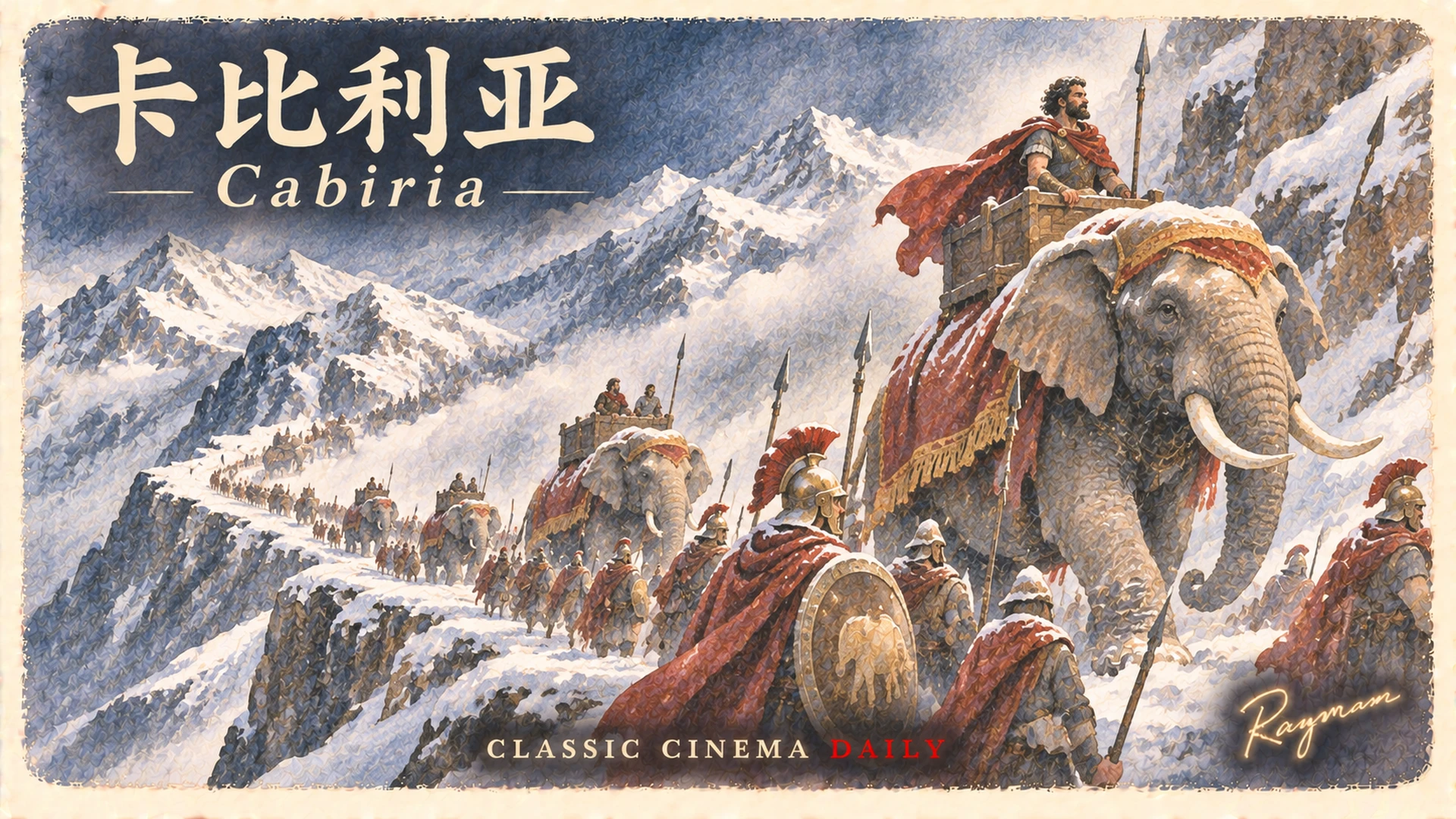
01Why this film today
It is only the second film of the 1910s in the archive (alongside 1916's Intolerance) and one of the earliest titles in the whole collection, first shown in Italy on 18 April 1914. It was chosen to pair with Pan's Labyrinth because the two sit ninety-two years apart yet share one structure: a child seized by the machinery of war and recovered through the intervention of legendary figures. It is also a fixed point in the history of film language - the first popular feature to mount the camera on a dolly and move it through the scene, a device contemporaries simply called the Cabiria shot. In June 1914 it became the first film screened at the White House. Martin Scorsese introduced the restored print shown at Cannes in 2006, arguing that Pastrone invented the epic where credit is usually given to Griffith.
02Film details
- Chinese title
- 卡比利亚
- English title
- Cabiria
- Director
- Giovanni Pastrone / 乔瓦尼·帕斯特罗内
- Year
- 1914
- Country
- Italy / 意大利
- Language
- Silent (Italian intertitles)
- Genre
- Epic / Silent / Historical drama / 史诗 / 默片 / 历史剧情
- Runtime
- 190 min (2006 restored version)
03About the film
影片开场的西西里,埃特纳火山爆发,小女孩 Cabiria 与乳母在逃难中被腓尼基海盗劫走,母女从此失散,被卖到迦太基。几年后,迦太基祭司把她选定献给魔神 Moloch;罗马贵族 Fulvius Axilla 与他的大力士奴隶 Maciste 潜入城中,把她从大祭坛前救走。故事并没有停在这里:汉尼拔率军翻越阿尔卑斯山南下意大利,Fulvius 与 Cabiria 在战火中被一次次冲散,Maciste 被俘后在采石场戴上镣铐,阿基米德在西拉库扎城下用镜子阵列点燃了罗马舰队。最后一场攻城用了「人类金字塔」式的人群调度, Sophonisba 王后的结局与 Cabiria 的重逢,前后相隔十年。整部影片分五幕,近三个小时的篇幅里,私人命运始终挂在帝国战争的轴上。
04Why it is a classic
Its place in the history of film language is close to unique: it is credited as the first popular feature to mount the camera on a dolly and move it through the scene, pushing in and pulling back, a device contemporaries called the Cabiria shot; Griffith's Intolerance (1916) took the cue directly from it, and much of the epic grammar habitually credited to Griffith or DeMille belongs first to Pastrone, as Scorsese argues in his introduction to the restored print. It is also the debut of Maciste, a character that recurs through decades of Italian popular cinema. The sources are Livy's Ab Urbe Condita, Flaubert's 1862 novel Salammbo and Salgari's 1908 Cartagine in fiamme; the poet Gabriele D'Annunzio worked on the screenplay, wrote every intertitle and gave the film its name. In June 1914 it became the first film screened at the White House, on the south lawn. The 2006 restoration, at 190 minutes, played Cannes with a new score, and the history of its music is its own footnote: Pizzetti's Sinfonia del fuoco was performed only once in 1914 and not heard again until 1988.
05What to notice
摄影机的移动是它最硬的遗产:滑轨推近与拉远被当时电影界直接称为「Cabiria shot」,〈Intolerance〉(1916)与后来的史诗片都沿用了这套语言。
五幕结构横跨西西里、迦太基与锡拉库扎,场面调度包括人类金字塔攻城、火山逃难、磨盘苦役与镜阵烧舰,私人线索始终挂在帝国战争轴上。
Maciste 这个角色在本片首次登场,后来成为意大利通俗电影的长寿形象。
素材来自李维〈Ab Urbe Condita〉、Flaubert〈Salammbô〉(1862)与 Salgari〈Cartagine in fiamme〉(1908);D'Annunzio 写全部字幕卡并命名,署名编剧另有 Pastrone。
1914 年 6 月在白宫南草坪放映,是第一部获此待遇的电影;2006 年修复版 190 分钟在戛纳放映,Scorsese 拍摄介绍短片。现存剪辑版还有 148 分钟(意大利)与 126 分钟(美国)等版本。
06Before you watch
190 分钟(2006 年修复版),无声,意大利语字幕卡,节奏与今天的长片完全不同:镜头长、段落靠字幕卡衔接,表演幅度大。建议不要当作「老古董」来猎奇,而是把它当成一套正在被发明的语言来观察——尤其留意哪些地方摄影机动了、哪些地方没有动,那正是 1914 年观众第一次体验到「镜头可以走」的惊喜所在。观看前最好知道它有五幕、跨十年,中间有明确的时代跳转;不必背史实,汉尼拔与阿基米德段落的功能是提供尺度感,而不是考据。修复版有多种配乐流通,若听到与画面情绪不合的段落,多半是配乐版本差异而非影片本身的问题。
07In one line
It taught the camera to walk first, and the whole era of the epic was then able to begin.
Sources
Related films
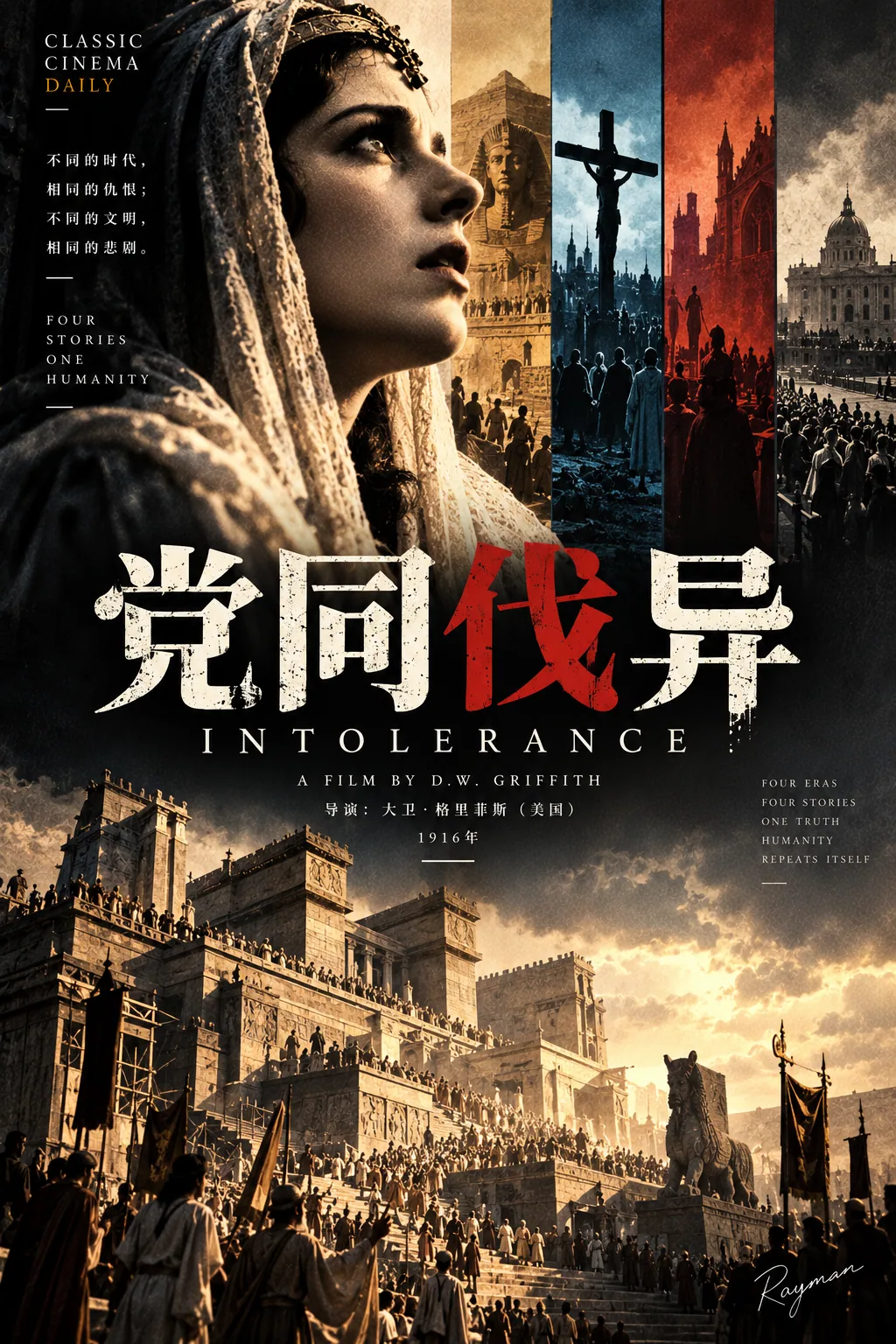
Intolerance
1916 · United States · Epic / Silent film / Anthology film / Historical drama
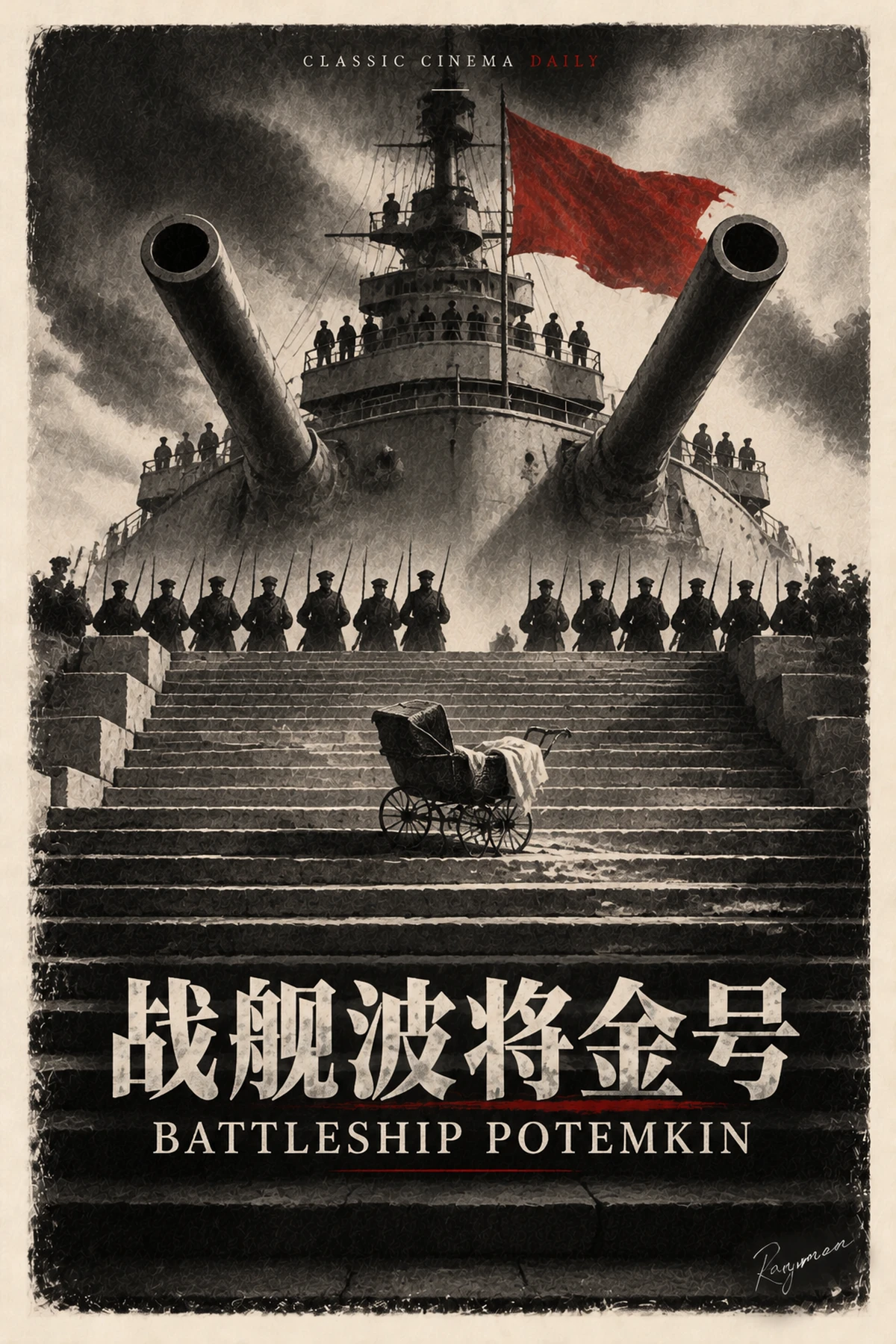
Battleship Potemkin
1925 · Soviet Union · Historical drama / Silent film / Epic
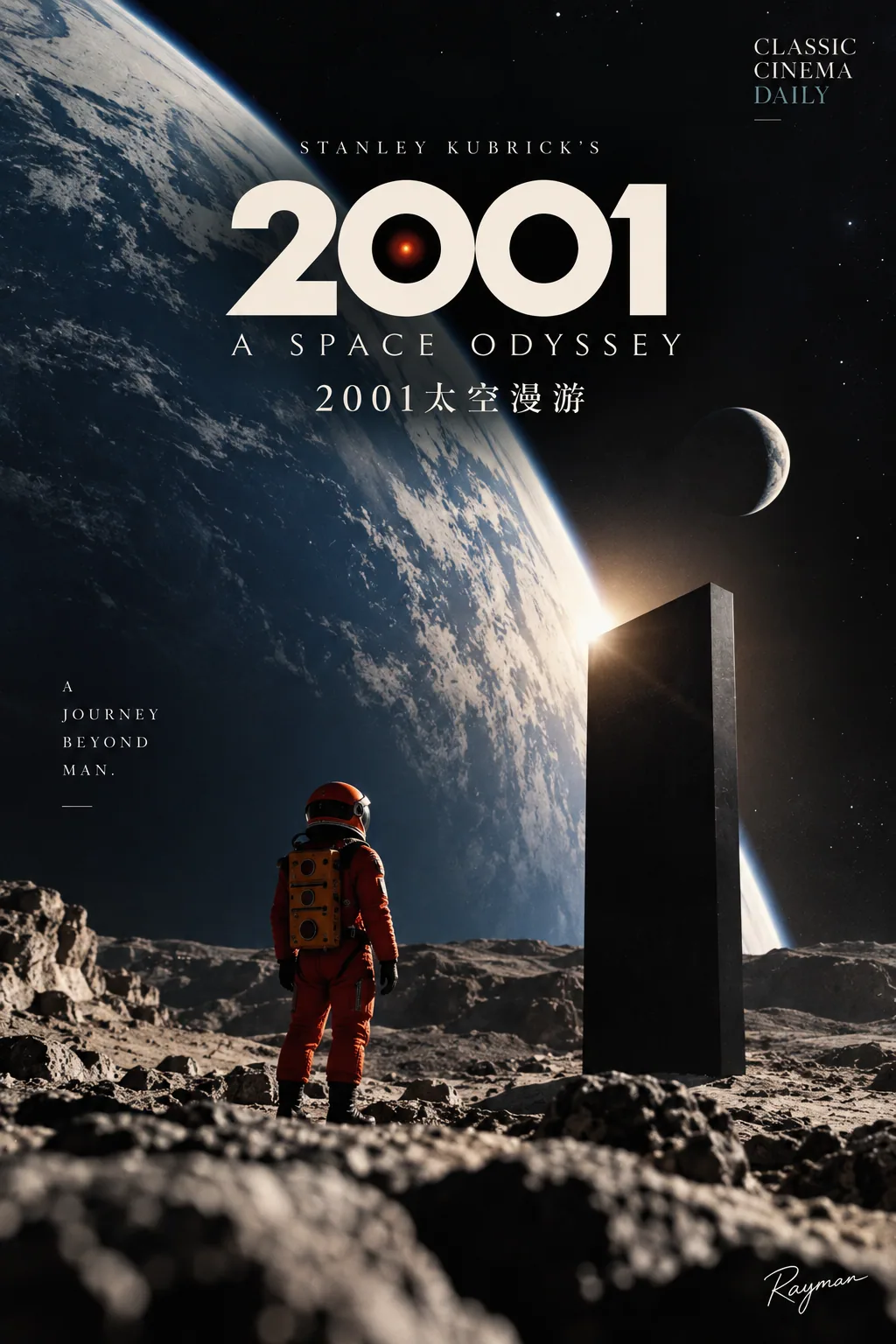
2001: A Space Odyssey
1968 · United Kingdom / United States · Science Fiction / Adventure / Epic
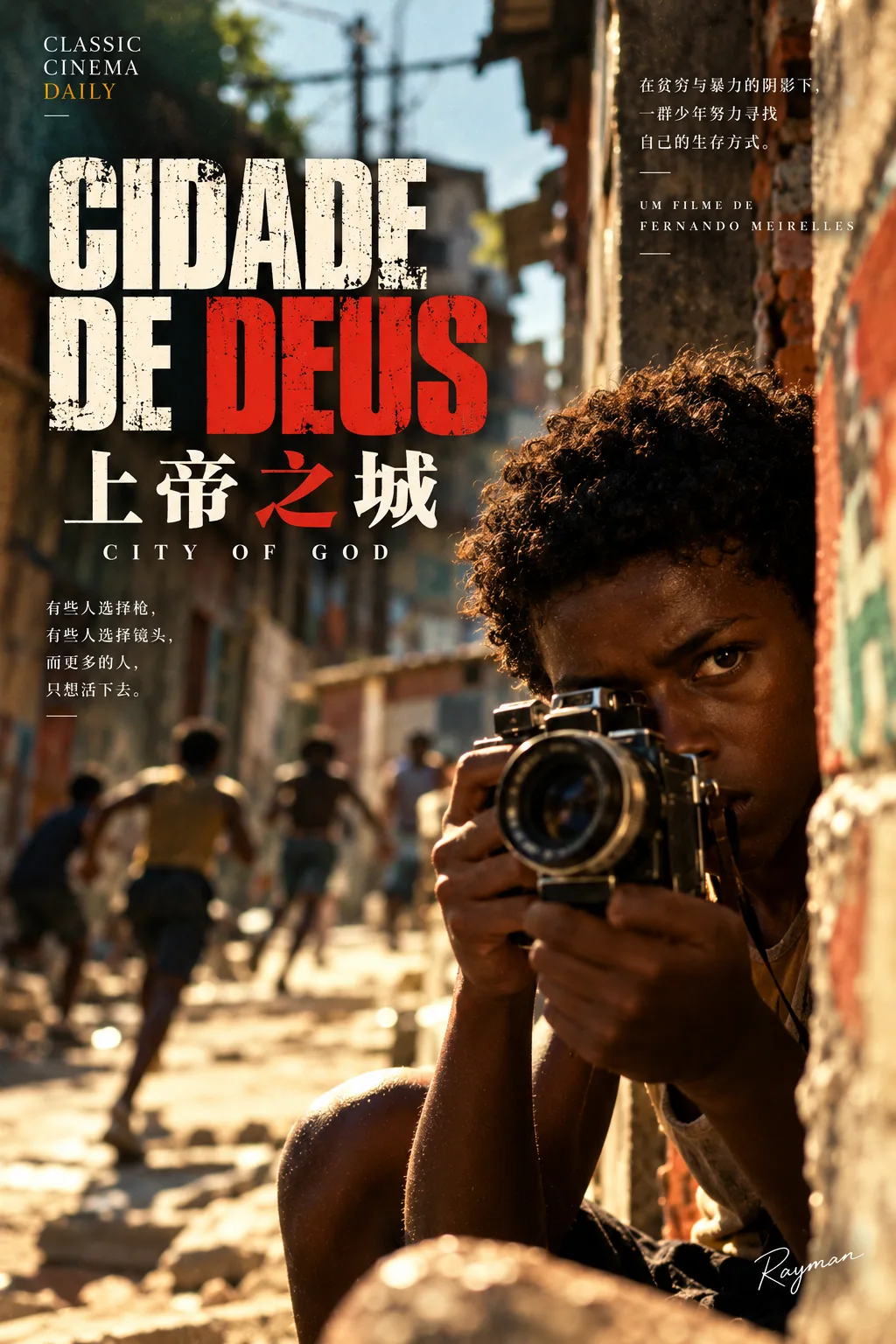
City of God
2002 · Brazil · Crime / Drama / Epic